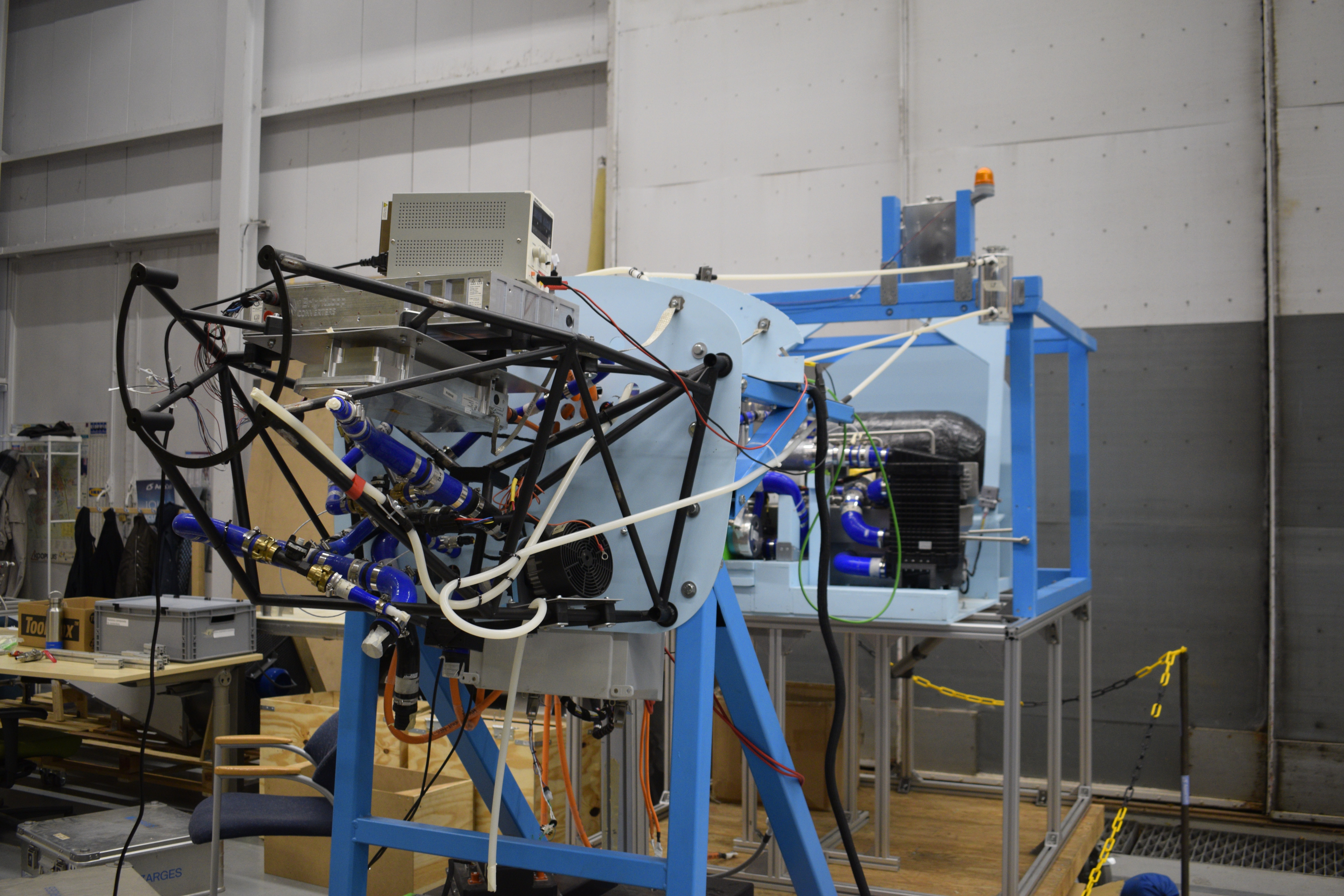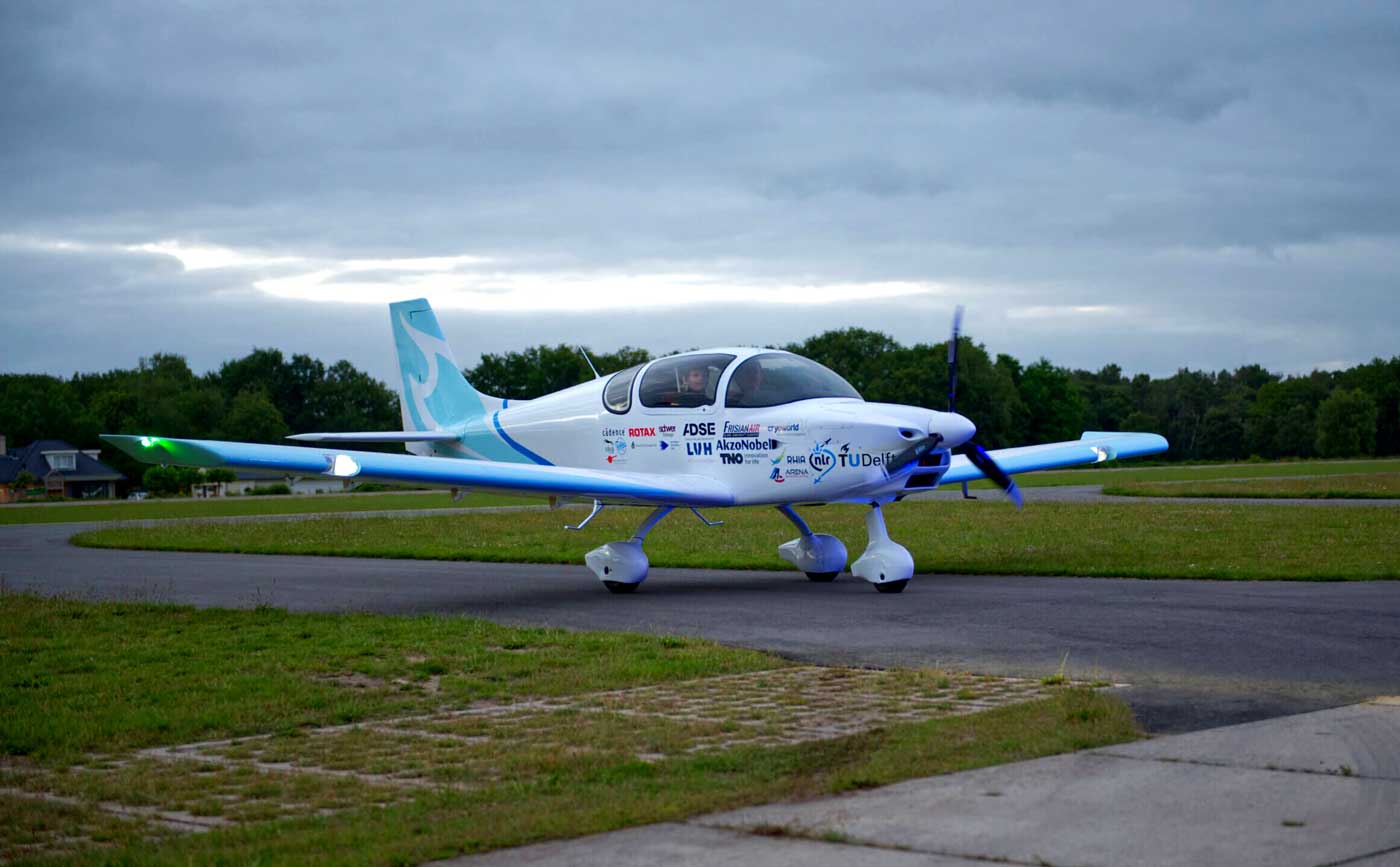
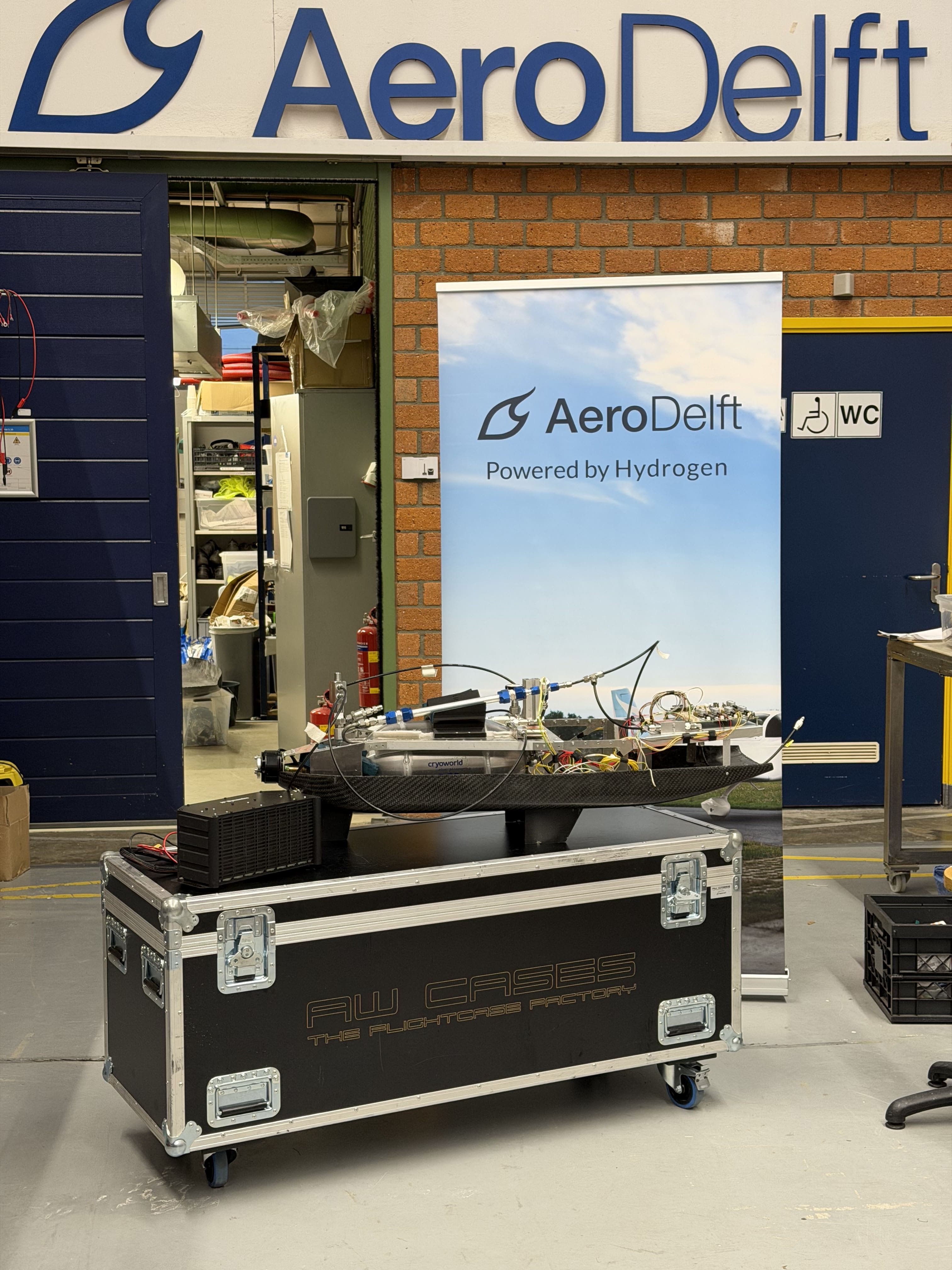
AeroDelft is a student team building hydrogen-powered aircraft. The end goal is the Phoenix Full Scale, a manned plane flying on liquid hydrogen. I handle partnerships and financial operations: the work that determines whether the engineering team has runway to build.
What I actually did
I lead a team of four.
- Closed €50,000 in non-dilutive revenue in a single fiscal year, in cash and in-kind contributions.
- Scaled the partner network past 50 active stakeholders across aerospace, hydrogen, materials and sustainability.
- Rebuilt internal budgeting and expenditure tracking from a spreadsheet kept by one person into a more robust and usable system.
Partnerships, in practice
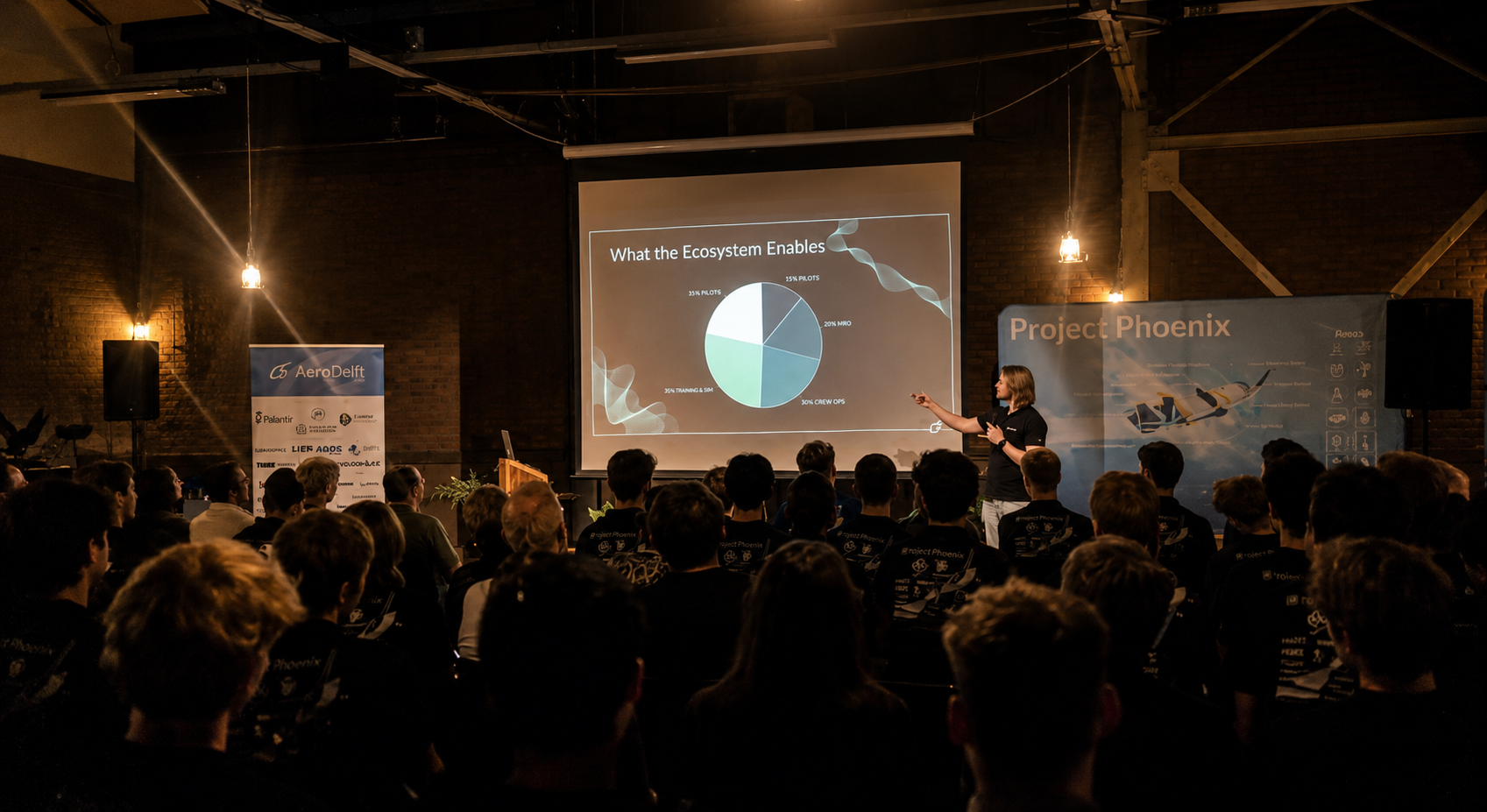
The hard part of partnership work isn't writing the deck or sending the email. It's translating a long, technical vision into something a partner can put their name on, today, with a measurable return. We re-segmented the partner pipeline, rewrote the sponsorship tiers from scratch, and got more specific about what we actually offer (engineering talent, brand exposure to a technical audience, access to the hydrogen-aviation space).
Financial operations
Coming in, the team's biggest financial risk wasn't lack of revenue, it was lack of visibility and recurrence. Spend was happening across sub-teams without consolidated tracking, so by the time anyone noticed something was off, it was already off. I worked on implementing a strict purchasing pipeline, with detailed budgets and quarterly check-ins with sub-team leads to keep everyone aligned on spending and get procurement approved on time.
The result: zero budget surprises in the second half of the fiscal year, and a longer operational runway than the team has had in years.
What I'm taking from this
Running operations for a hardware project teaches you fast that engineering velocity is a financial decision. The team can only iterate as fast as its runway and procurement systems allow. Every conversation I have in this role isn't about a logo on a website. It's about another month of build time.